
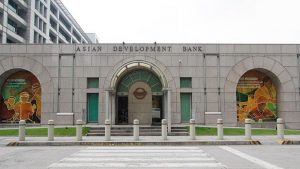
FILIPINO WORKERS of either gender assessed themselves most deficient in language skills and operating machinery, according to a study by the Asian Development Bank (ADB).
In its “Harnessing Survey Data to Shape the Future of Work” report, the ADB said according to their self-assessments, Filipino workers considered reading, writing and basic numeracy to be closely aligned with job requirements, though computer or software skills and communication skills were aligned to a lesser extent.
According to the skills self-assessment against job requirements, the ADB found that 39% of surveyed men and 27.3% of women considered themselves underskilled in foreign languages, rating their proficiency as below standard or needing improvement.
For men, the other major skills gaps were in operating machinery and equipment (26.5%), project management or organizational skills (23.6%), computer or software skills (20.2%), and teamwork or leadership skills (19.3%).
For women, operating machinery and equipment (25.4%), project management or organizational skills (23.7%), computer or software skills (17.6%), and teamwork or leadership (16.8%) were the other leading self-reported skills gaps.
The ADB noted that while some skill areas showed gender differences, overall trends in alignment and perceived gaps were broadly similar for men and women.
“In the Philippines, men were more engaged than women in physically demanding manual tasks such as lifting, driving, and using heavy machinery, while gender differences were narrower in precision work and prolonged physical activity,” the bank said.
Overall, the Philippines showed the lowest overall skills match at 71.8% for both sexes, next to Bhutan (92.6%) and Georgia (78.8%). — Aubrey Rose A. Inosante